Energy Efficiency

Understanding R-32 Refrigerant: Benefits and Applications in Modern HVAC-R Systems

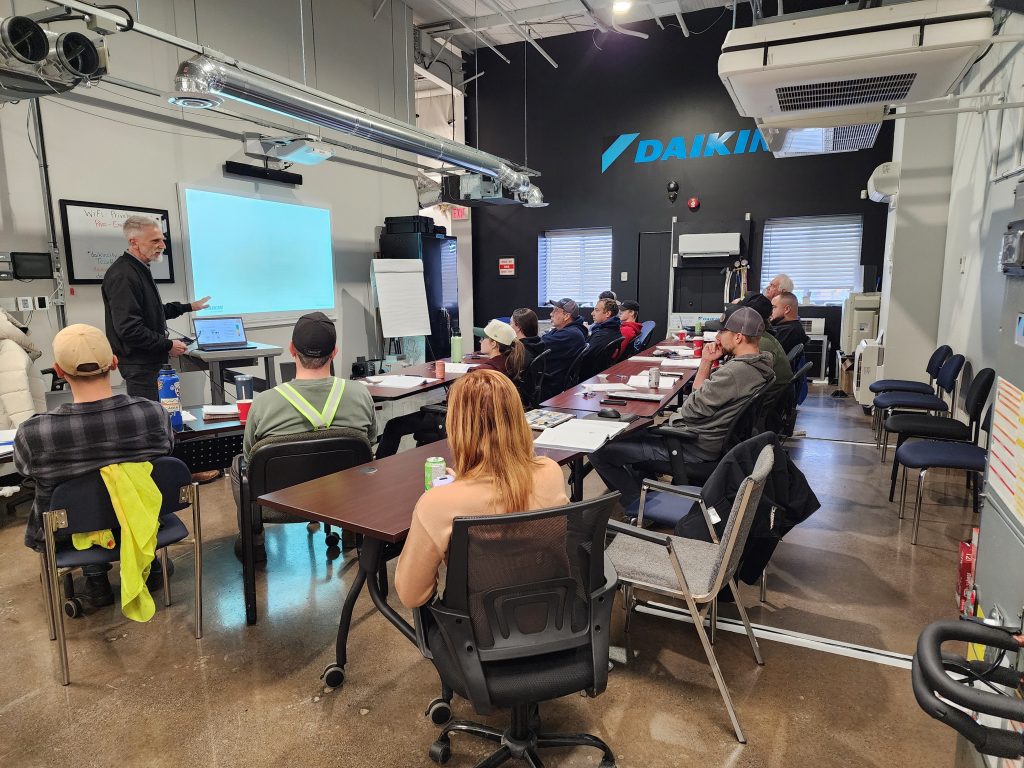
Daikin Team Members at Training Session on R-32 Refrigerant

As the HVAC-R industry evolves, so does the technology we use to heat and cool our spaces. One of the most significant advancements in recent years is the adoption of R-32 refrigerant. Known for its efficiency and lower environmental impact, R-32 is becoming the preferred choice for modern heating, ventilation, and air conditioning systems. In …
Read More →

Compare Energy Savings with a Daikin FIT Heat Pump

The Daikin Inverter used in the FIT heat pump uses state-of-the-art HVAC technology to provide even more energy savings than a traditional heat pump.  In Nova Scotia, there is a Daikin FIT test site where two similar homes next door to each other both have a Daikin heat pump installed. One has a single-stage DZ16SA …
Read More →

How to Measure Heat Pump Performance with Efficiency Ratings

Understanding efficiency ratings can help you determine which heat pump system will save you the most energy and heating & cooling costs. There are several factors that come into play when choosing the right heat pump for your home. One of those factors is how much energy savings you are looking for. The amount of …
Read More →

Why R-32 is the Superior Refrigerant for Daikin

Mother and baby at home - Daikin

The refrigerant R-32 is safely and effectively replacing R-410A in many heat pump and A/C systems across the globe. Daikin will begin using it because it provides optimal efficiency with a low environmental impact. With strict regulations in place, refrigerants with the lowest possible environmental impact are sought to be used in air conditioners. The …
Read More →

What’s More Efficient: Heat Pumps or Gas Furnaces?

The short answer is that most heat pumps are more efficient than gas furnaces, but let’s focus on why. Operational Time You want your home to be a certain temperature, so you set your heating system to maintain that level of warmth. A gas furnace will turn on and stay on until it reaches the …
Read More →

How BTU Impacts Heat Pump Performance

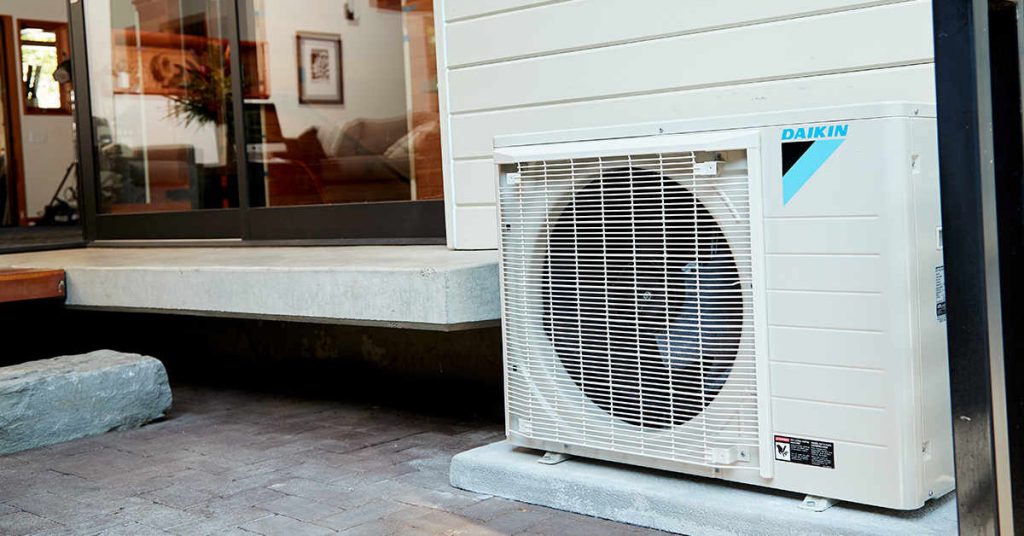
Daikin FIT heat pump outdoor unit

What Size Heat Pump Btu Do I Need for My Home? A heat pump is a cost-effective and energy-efficient way to heat or cool your home. Unlike traditional systems that modify the temperature in your home by heating or cooling the surrounding air, a heat pump transfers heat. When you want your home to stay …
Read More →

Are Heat Pumps Really More Environmentally Friendly?

heat-pump-energy-rebates

If you’ve been doing any research into heat pumps, you’ve likely seen that one of their biggest selling points (aside from saving you money) is that they are better for the environment than any other common method of home heating. This seems like common sense when you consider that heat pumps heat your home by …
Read More →

What Makes Heat Pumps More Efficient?

happy-couple

If you’ve ever heard or read anything about how heat pumps work, you’ve probably seen the claim that heat pumps are superior to other methods of home heating because they’re so much more efficient. But what makes them so efficient, and more importantly, why does efficiency matter to you as a homeowner? The short answer: …
Read More →

How Carbon Taxes Affect Your Home Heating Costs

With various forms of carbon pricing rolling out across the country, most homeowners have been left in the dark about how a carbon tax will affect their heating costs and what steps they can take to save money. There’s also variation on how carbon pricing is being implemented, because each province is responsible for creating …
Read More →

How to Measure Heat Pump Performance: Interpreting SEER, COP, and HSPF Ratings

heat-pump-energy-rebates

Learn how to size up which heat pump is right for you using the most common rating categories which measure efficiency and performance. Investing in a heat pump is a big decision. You’ve done the research and know that a heat pump can stand to save you quite a bit on your monthly energy bill. …
Read More →